The Story Behind the Shot
A portfolio shows you what a photographer can do. But it does not tell you how they did it, or why they made the choices they made. This post is the director’s commentary. I am going to walk through six images from my gallery, one from each major category, and tell you what was happening when I made them.
Every boudoir photograph is a collaboration between the photographer, the client, the light, and the location. These are the stories of how those elements came together.
Natural Light on the Coast
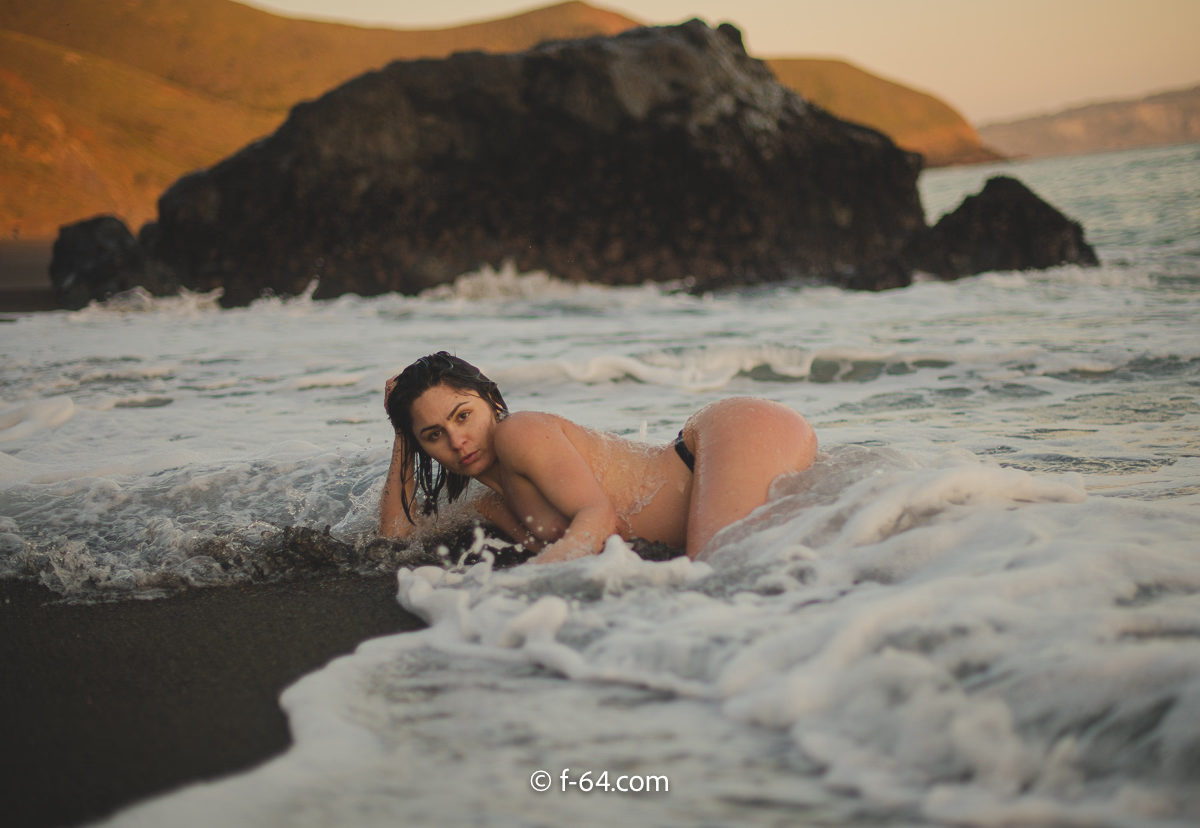
This was a natural light session on a beach along the Northern California coast. Late afternoon, about an hour before sunset. The light was coming in low and warm from the west, hitting the rocks and creating this pocket of golden warmth against the cool blue of the ocean behind.
The client had driven up from the South Bay. She wanted something that felt free, not posed or constructed. “I want it to look like I just happen to be on a beach,” she said during the consultation. That became the creative direction for the entire shoot.
I shot this with a 70-200mm lens from about 30 feet away. The distance was deliberate. Shooting from further back with a telephoto compresses the background and makes the ocean feel closer, wrapping around the subject instead of sitting behind her. It also meant she could not hear the shutter, which helped her forget the camera was there.
The wind was constant, which is either a problem or a gift depending on how you use it. For this session, it was a gift. Hair moving, fabric catching the breeze, the body adjusting to gusts. All of that motion translated into images that felt alive instead of static.
No reflector. No fill light. Just the sun, the coast, and careful positioning.
Hotel Suite in Sacramento
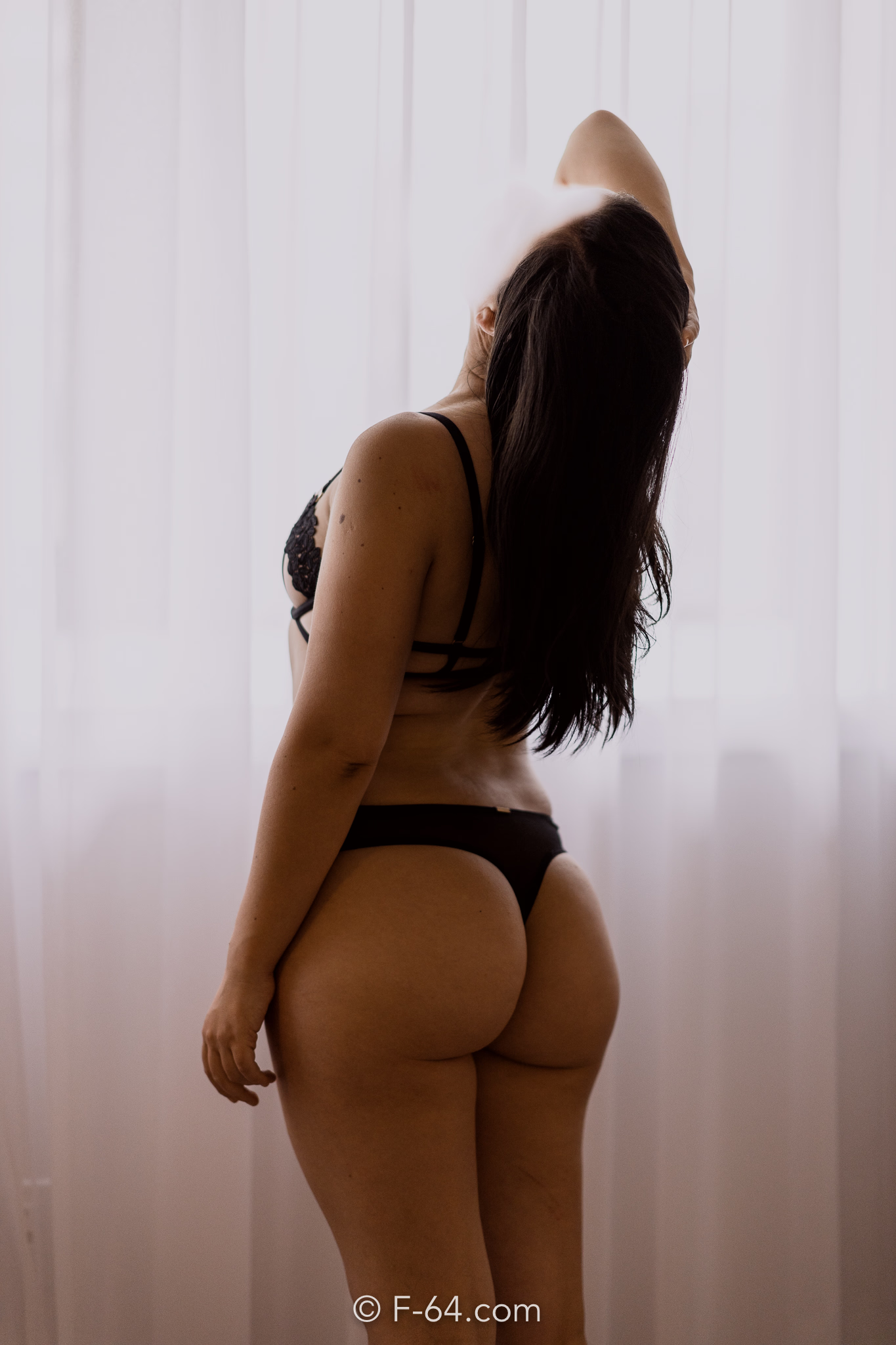
This was shot in a hotel suite in downtown Sacramento. The room had floor-to-ceiling windows facing west, which at 2 PM gave me a wall of soft, directional light that I could not have built with any amount of equipment.
The client wanted images that felt like a magazine editorial. Polished, confident, unapologetic. We booked a professional hair and makeup artist who spent an hour before the session getting the look exactly right.
I positioned her about four feet from the window, turned 45 degrees so the light sculpted one side of her face and body while the other side fell into soft shadow. The white walls of the hotel room acted as a natural bounce, filling in the shadows just enough to keep detail without flattening the image.
Camera was a digital body with an 85mm f/1.4 lens, wide open. The shallow depth of field at that aperture turns the hotel room behind her into a wash of soft tones. The bed, the curtains, the furniture are all there but abstracted, giving context without competing for attention.
This is one of those images where everything aligned. The light, the posing, the expression, the technical execution. Sometimes that happens. More often, you work through 40 frames to find the two or three where it all comes together.
Destination Tahoe
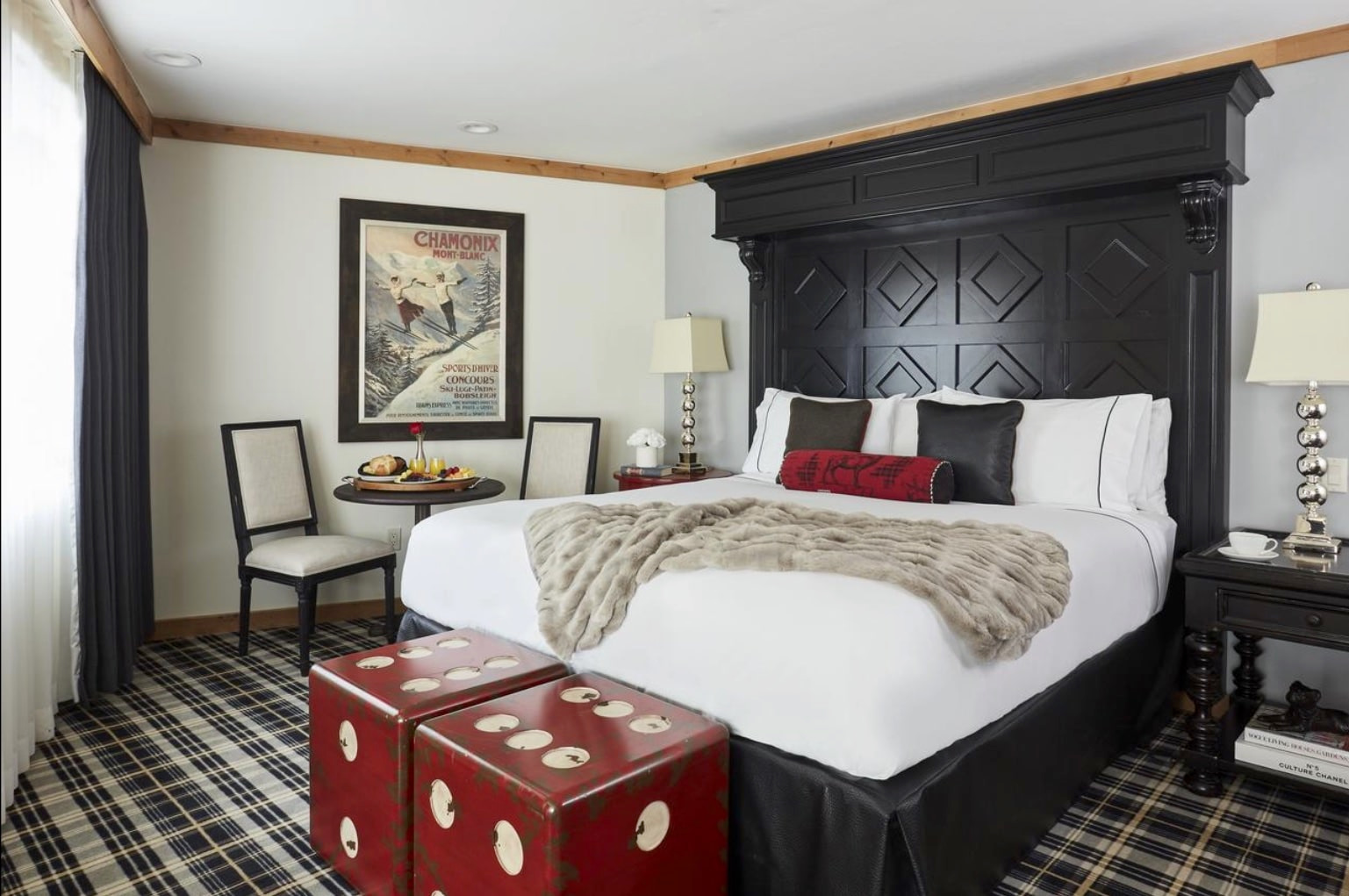
Lake Tahoe is one of my favorite places to shoot. The elevation changes the light. At 6,200 feet, the air is thinner and the sunlight is sharper and more direct than what I get in Sacramento. Colors are more saturated. Shadows are deeper.
This image was from a destination session at Tahoe in a rented cabin near the lake. The client had booked the cabin for a weekend getaway and added a boudoir session to the trip. The bedroom had these large windows with a view of pine trees, and in the late morning the light filtered through the branches and created a pattern of dappled light on the bed.
I waited for the light. For about 20 minutes, the sun was at the right angle to throw those tree shadows across the room. I had the client move through a series of relaxed poses on the bed while I watched for the moments when the light pattern intersected with the lines of her body in an interesting way.
The location did 80% of the work. A good location often does. My job was to read the light, position the client, and be ready when the elements aligned. Destination sessions take more logistical planning, but they produce images that carry the feeling of a place, not just a person.
Creative Session with Body Paint
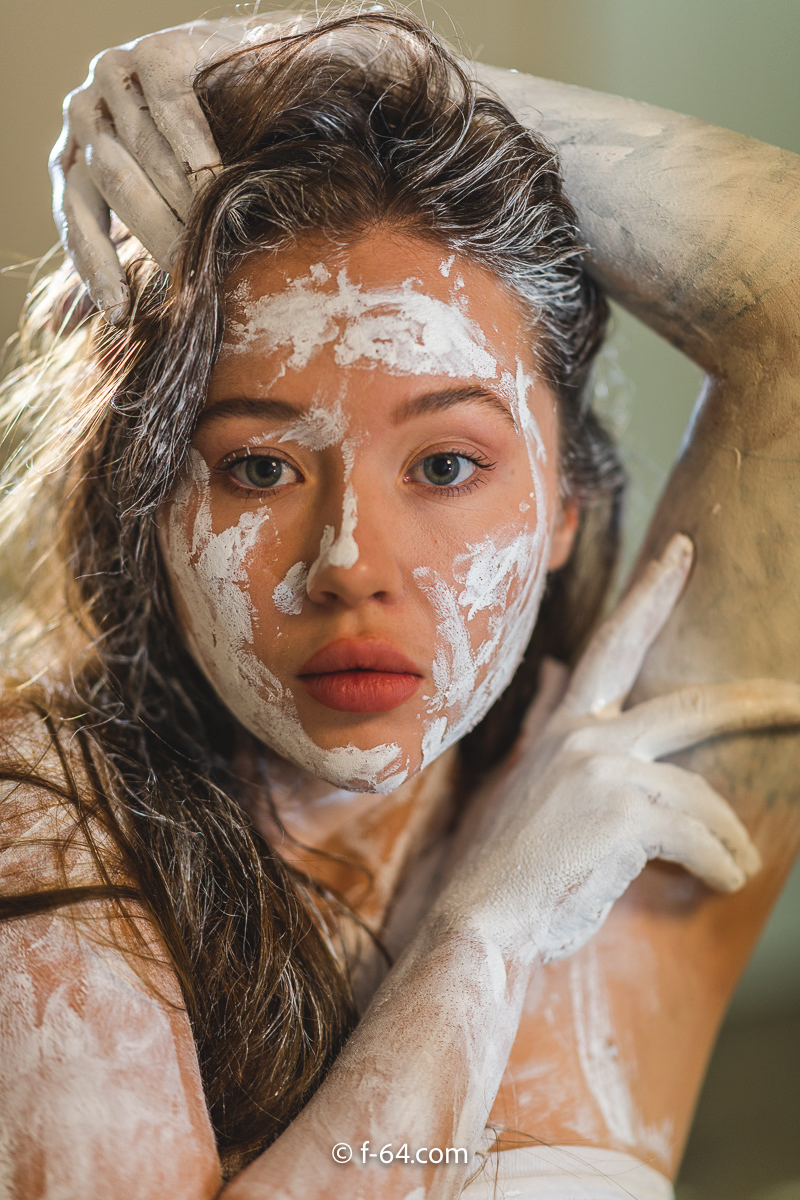
Not every session is soft window light and white sheets. This was a creative session using body paint and glitter, shot in a controlled environment with deliberate, dramatic lighting.
The client came in with a concept: she wanted something bold, messy, and completely different from traditional boudoir. We planned the color palette together during the consultation. Gold and black, applied directly to skin, smeared and dripped and layered.
This kind of session requires different technical choices. I used a faster shutter speed to freeze the paint mid-drip. The aperture was tighter than I normally shoot because I needed the paint texture in sharp focus, not just the face and body. Every adjustment served the concept.
The mess is part of the art. By the end of the session, there was paint on the floor, on the towels, on me. But the images from this shoot are some of the most striking in my entire portfolio. They work because the client had a vision, we planned it carefully, and then we committed to it fully.
Creative sessions like this prove that boudoir is not one thing. It is as broad as the people who book it.
Film on the Hasselblad
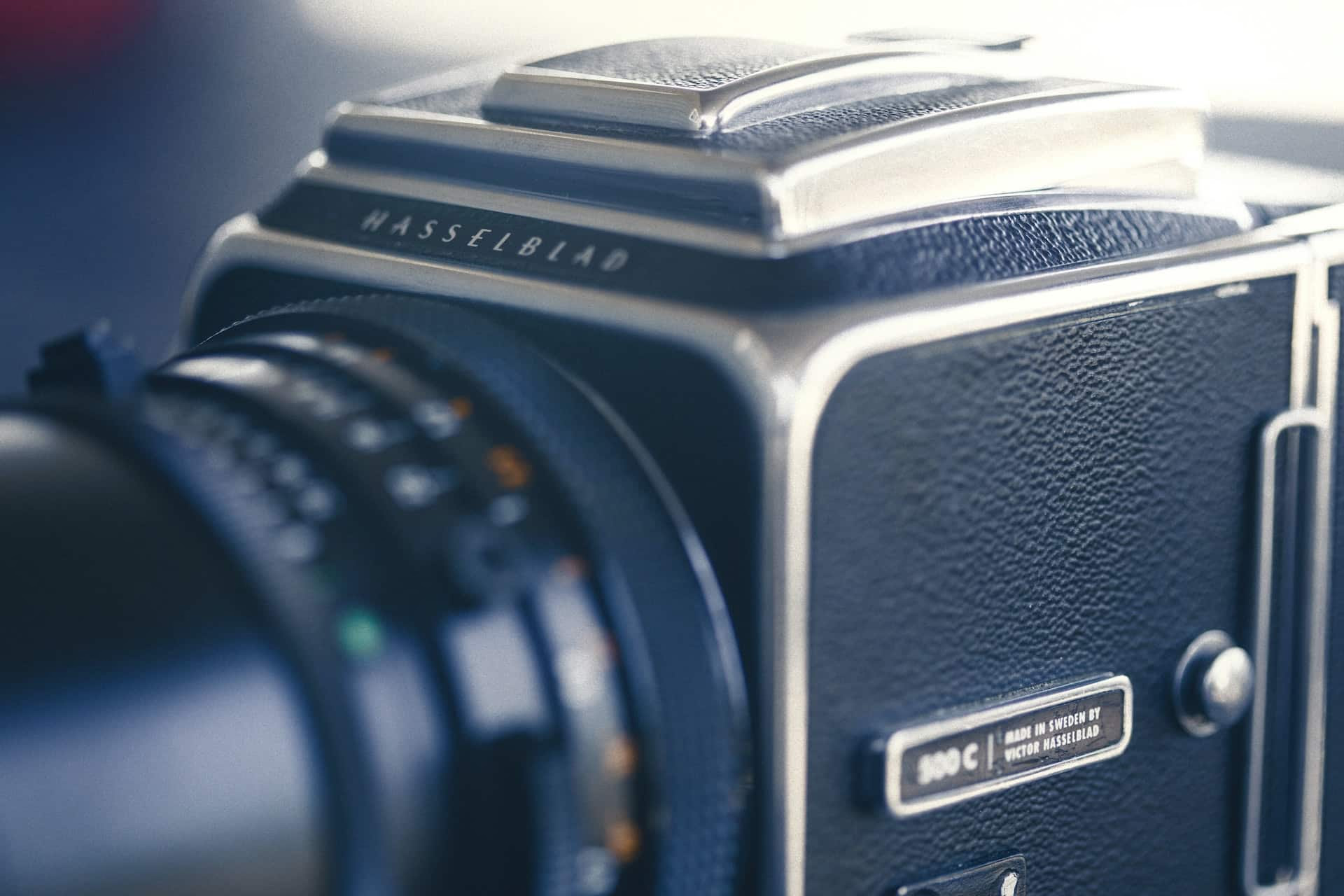
This was shot on my 1957 Hasselblad 500C on Kodak Portra 400 film. The medium format negative is 6x6 centimeters, which is roughly four times the area of a 35mm frame. The detail and tonal range it captures is something digital sensors approximate but do not replicate.
I made this image during the quiet stretch of a session, after we had shot the planned poses and the client was just resting between setups. She was sitting in window light, not posing, just existing. I picked up the Hasselblad and made two frames. This was the second one.
The square format of the Hasselblad creates its own kind of composition. You cannot crop later, at least not without losing the square, so what you see in the viewfinder has to be complete. The balance between the subject and the negative space, the relationship between the light areas and the dark areas, all of that has to work before you press the shutter.
The grain in this image is the film. It is not a filter, not a texture overlay. It is the physical structure of silver halide crystals on celluloid, developed in chemistry and printed optically. That texture is part of what gives film its feeling of permanence and weight.
What These Examples Have in Common
Different locations, different cameras, different clients, different moods. But every one of these images shares the same foundation: good light, a client who trusted me, and enough patience to wait for the right moment.
That is what boudoir photography is, at its core. Everything else, the gear, the location, the wardrobe, is in service of those three things.
If you want to see more, browse the full gallery. Each category shows a different side of what I do, from natural light outdoor work to hotel sessions to destination shoots at Tahoe.
And if you want images like these of yourself, let’s talk. Every session starts with a conversation about what you want and how to get there.